Nobody really tells you what becoming an EMT is going to do to you.
They tell you about trauma assessments. They teach you how to take a blood pressure, manage an airway, splint a fracture, recognize shock, and memorize an impressive number of things that will absolutely disappear from your brain the first time somebody looks at you and says:
“So… what do we do?”
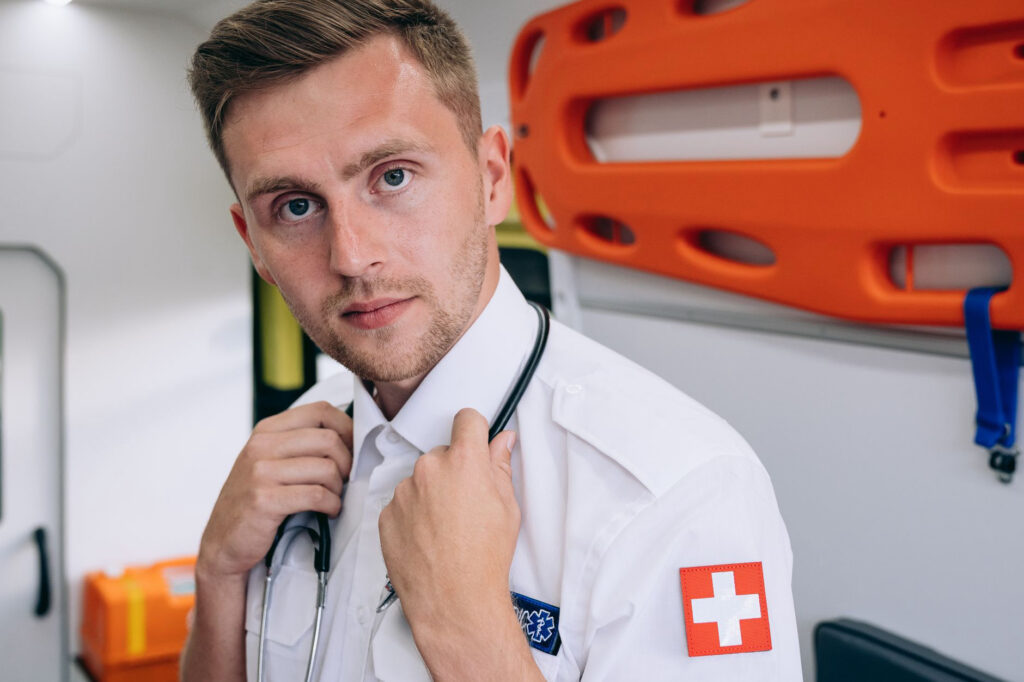
You study. You pass the test. You get the white patch. And for a little while, you kind of feel like you’ve crossed some invisible line. You’re an EMT now.
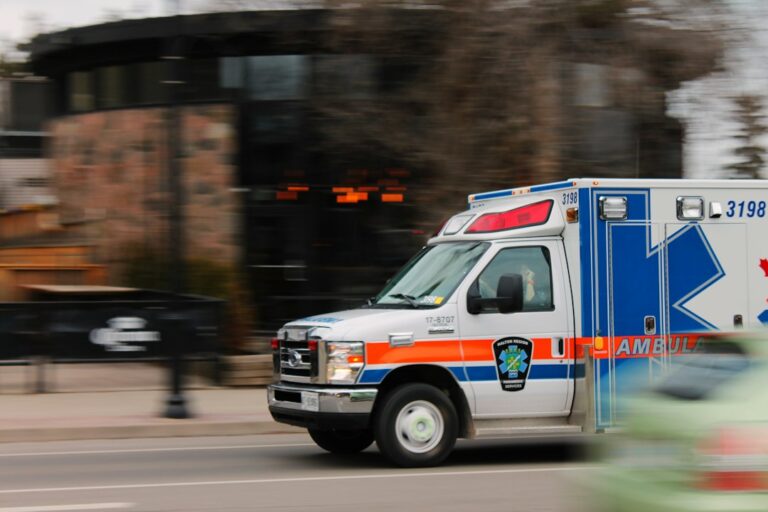
Then you climb into an ambulance for your first real shift and discover something a little strange. EMT school taught you how to pass EMT school. The rest? You’re about to learn that one call at a time.
Here are five things nobody really tells you before you start.
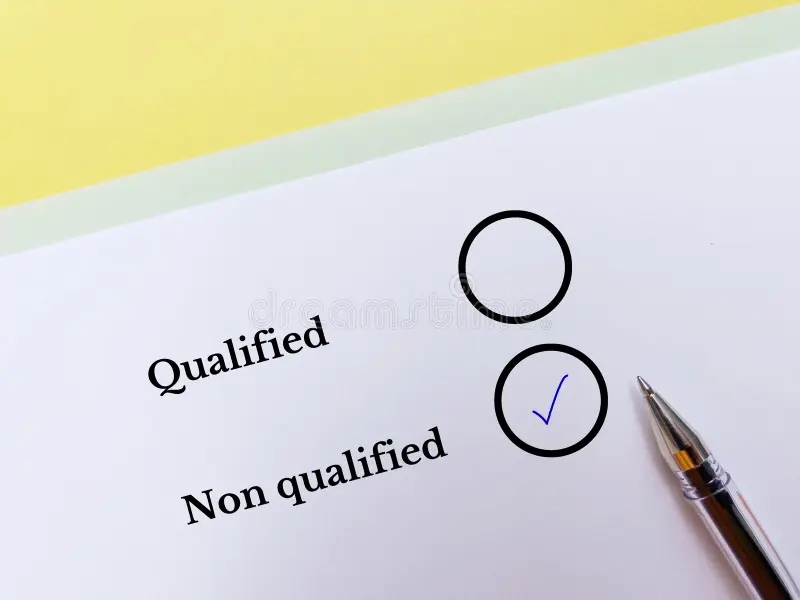
1. You’re Going to Feel Completely Unqualified.
This happens almost immediately. You can know the algorithms. You can ace every scenario somebody throws at you in class. Then a real person gets sick. Their family is watching you. Your partner is waiting. Everybody suddenly expects you to have an answer. And somewhere inside your head, a tiny voice says
“They seriously let me do this?”
That feeling doesn’t necessarily mean you’re bad at the job. It usually means you’ve realized something important. Real patients don’t always follow textbooks. They don’t present exactly the way the practice scenarios said they would. Chest pain might be obvious. Or it might be a vague pressure somebody ignored for three days. A patient with a terrifying complaint might be completely stable. Another patient might casually mention something that makes every alarm bell in your brain go off. Experience slowly teaches you how to separate white noise from danger. But nobody starts with that instinct. You build it. One patient at a time. One mistake at a time. One moment where an experienced partner looks over at you and says
“Look at this.”
And suddenly something clicks.
2. Most of the Job Isn’t Dramatic
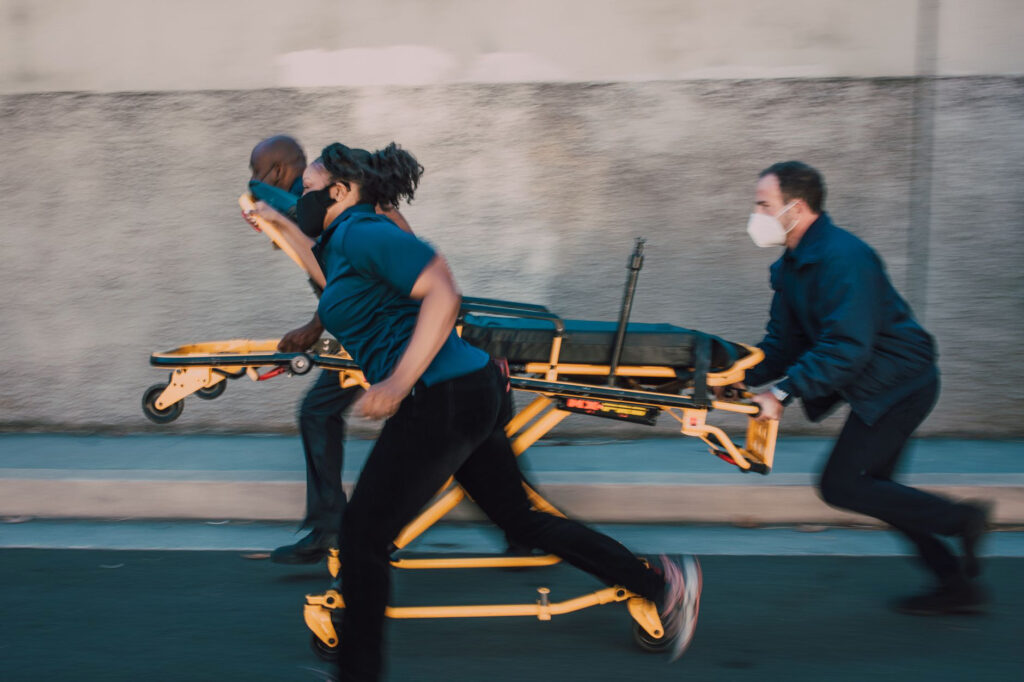
Television has done EMS absolutely zero favors here. New EMTs are often imagining car crashes, cardiac arrests, massive trauma, flashing lights, and dramatic saves. Those calls happen… Sometimes. But EMS is also helping someone back into bed. Taking somebody to dialysis. Talking to a lonely person who called because they didn’t know what else to do. Driving an elderly patient to their doctor appointment. Helping someone having the worst anxiety attack of their life understand that they’re safe. Picking someone up off the floor at 3:17 in the morning after you had just finally closed your eyes to sleep. And sometimes doing absolutely nothing glamorous for twenty-four, forty-eight, or even seventy-two straight hours. Here’s the part people miss, though. Those calls still matter. Maybe more than you expect. Because what feels routine to you might be one of the worst days of somebody else’s life. You might be on the fifth fall call you’ve run this week. They might be realizing for the first time that they can’t safely live alone anymore. You might see a routine transport. They might see the moment their entire life changed. The lights and sirens are memorable. The simple calls are where you often learn what the job actually is.
3. You’re Going to Learn More About People Than Medicine

You obviously learn medicine. A lot of it. But somewhere along the way, EMS accidentally gives you a crash course in humanity. You see people when the performance part of them is gone. There’s no polished social media version of somebody at 2 a.m. when their father has stopped breathing. You see fear. Anger. Grief. Addiction. Poverty. Loneliness. Love. Stubbornness. Kindness. And some truly spectacular decision-making. You’ll walk into houses worth millions of dollars. You’ll walk into houses without electricity. You’ll meet people who have absolutely nothing and still apologize because they think they’re inconveniencing you. You’ll meet people with everything who treat you like furniture. And eventually you realize that there is almost no such thing as a “type of person.” People are complicated. Good people make terrible decisions. Difficult people are sometimes terrified. Angry people are sometimes grieving. And the patient everybody warned you about might become the person you remember for years. EMS makes the world much harder to judge from a distance. Because eventually you’ve met the person behind almost every stereotype.
4. The Calls You Expect to Haunt You Might Not Be the Ones That Do

Before you start, you imagine the terrible calls. The wrecks. The cardiac arrests. The blood. The things nobody wants to see. And yes, some of those stay with people. But memory is strange. Sometimes the call that follows you home isn’t the dramatic one. It’s a sentence your patient had said to you. A look. An empty bedroom. A family member standing in a doorway. A patient asking you a question you couldn’t answer. Sometimes it’s somebody who reminded you of your own family member. Or your child. Or even yourself. And sometimes a call you thought would destroy you… just doesn’t. There isn’t a universal rule for what affects someone. That’s why one of the most important things you can learn in EMS has nothing to do with medicine. Pay attention to yourself. Talk to people you trust. Use the resources available to you. Learn what your warning signs look like. Because being able to tolerate difficult things isn’t the same as being unaffected by them. EMS teaches you to check everyone else. Eventually, you have to learn how to check yourself too.
5. Your Partner Can Change Everything
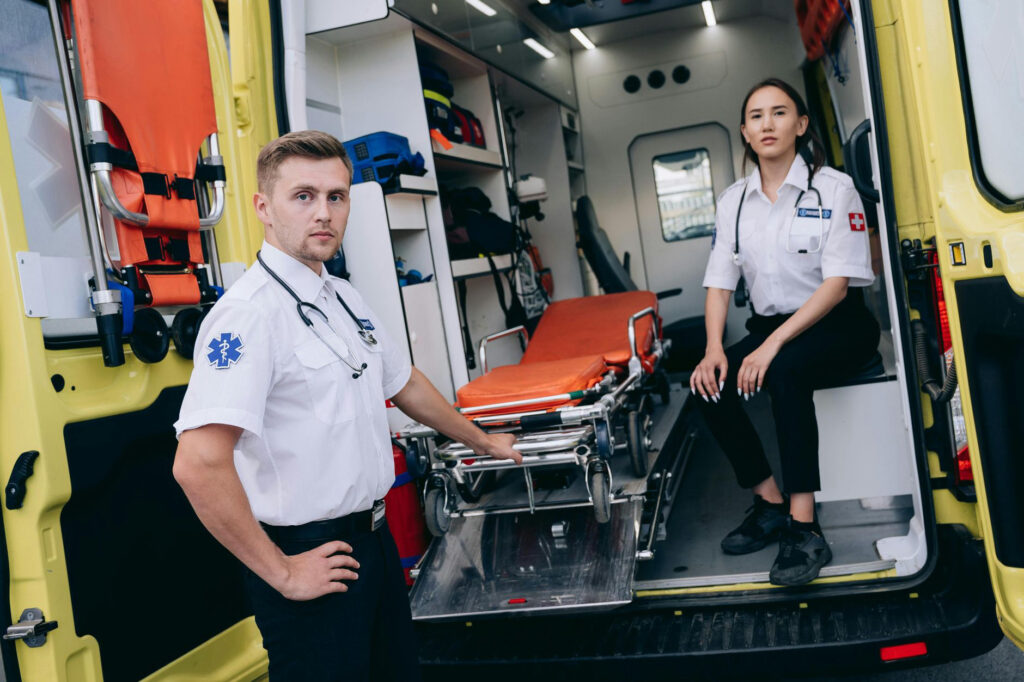
People outside EMS probably don’t understand how strange this relationship can become. You might spend 24, 48, or even 72 hours sitting within a few feet of another human being. You eat together. Drive together. Get irritated with each other. Laugh at things nobody outside EMS would understand. Sit silently after bad calls. Argue about where to eat. And then, without warning, you’re standing beside each other in somebody’s living room trying to keep a human being alive. A good partner makes you better. They teach you things school never could. They notice what you missed without making you feel stupid. They know when to step in. They know when to let you figure it out. Eventually, you develop a strange kind of shorthand. A look across the room can mean Something isn’t right. Another can mean We need to leave. And occasionally If we don’t get food soon, one of us is going to become the patient. The truck obviously matters. The equipment your agency provides to you matters. Protocols matter. Training matters. But your partner? Your partner can completely change what this career feels like.
The Part Nobody Can Really Explain
There’s one more thing nobody tells you about becoming an EMT. Mostly because it’s hard to describe. One day, something that once terrified you becomes normal. You’ll walk into an absolute monster cluster of a call and notice your hands aren’t shaking anymore. You’ll hear radio or phone in the middle of the night and start putting your boots on before you’re completely awake. You’ll recognize a sick patient from across the room. You’ll know something is wrong before you can explain exactly why. The rookie who once looked around hoping somebody else knew what to do slowly disappears. Not because you suddenly know everything. You never will. That might be the most important lesson of all. You just become comfortable knowing that you don’t know everything. You learn how to think. How to adapt. How to ask for help. How to stay calm when someone else can’t. And somewhere in the middle of all those ordinary calls, long nights, bad meals, inside jokes, frustrating patients, incredible partners, tiny victories, and moments you’ll never quite be able to explain to anyone outside the job… you become an EMT.
And usually, you don’t even notice when it happens.