I consider myself an old-fashioned person.
Not in the way that means I want to churn my own butter or complain about teenagers… Well okay maybe teenagers these days do irritate me to an almost cellular level. But, I just find myself drawn to things that feel more real.
I like analog things… I collect vintage film cameras. I’ve got a stash of old watches valued well over a few thousand dollars. I’d rather have an actual conversation than text someone for three hours. I’d rather sit around a table playing cards than stare at a screen playing a video game. I like handwritten notes. Long conversations. People stopping by for no reason other than a visit. People remembering things because they actually remembered them. For a long time, I assumed I preferred those things because they were really just more fun.
Lately, I’ve started wondering if that isn’t the reason at all. Maybe I like them because they require people. Real people. Present people. People who have to sit across from you, look you in the face, hear the way you say something, notice when your mood changes, laugh at the same stupid joke, and remain in the room even when there isn’t a glowing rectangle constantly offering them something more interesting. Maybe what I miss isn’t the old world. Maybe I miss the way people used to participate in each other’s lives.
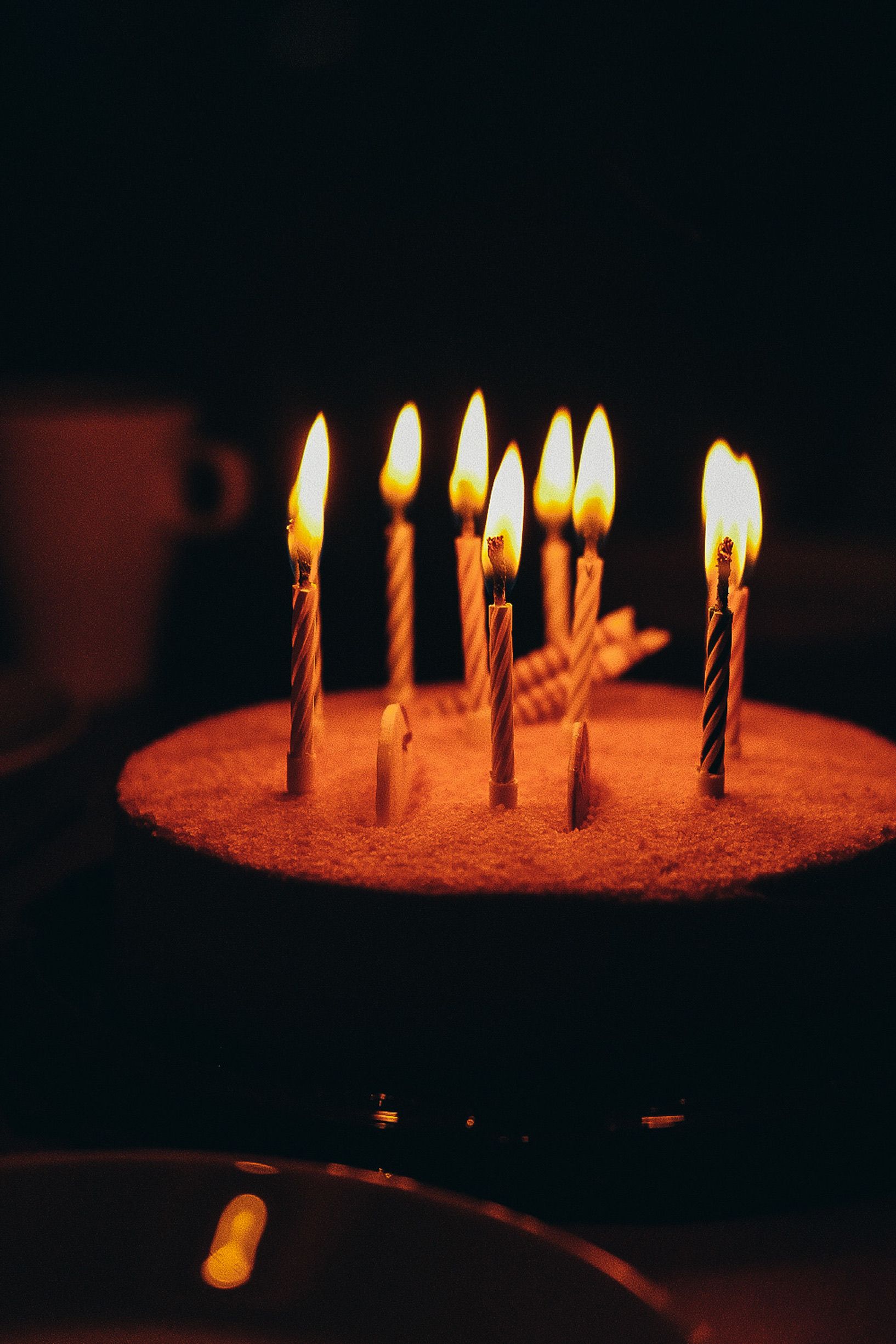
I recently celebrated a birthday on the 6th. Well… “Celebrated” would be generous. My wife and I stayed in the house all day and watched TV. Granted, I actually enjoyed the day very much. But, my wife knows me very well and loves me even more. I could tell that she knew something was off but couldn’t quite put her finger on it. Birthdays have become strange for me. They don’t really feel like celebrations anymore. They’ve started feeling more like yearly audits of the people around me. A little emotional inventory. Who remembered? Who called? Who made an effort? Who actually knows me well enough to know what day I was born without a corporation sending them a notification? This year, I decided I didn’t want to know. So I deactivated social media and turned my phone completely off. Problem solved… Right?
If the phone is off, nobody can disappoint you. That was the theory, anyway. For one day, I could pretend messages were piling up somewhere in the digital universe. I could tell myself that people were calling. People were texting. Friends were wondering why I hadn’t answered yet. I’d turn the phone back on tomorrow and deal with the avalanche.
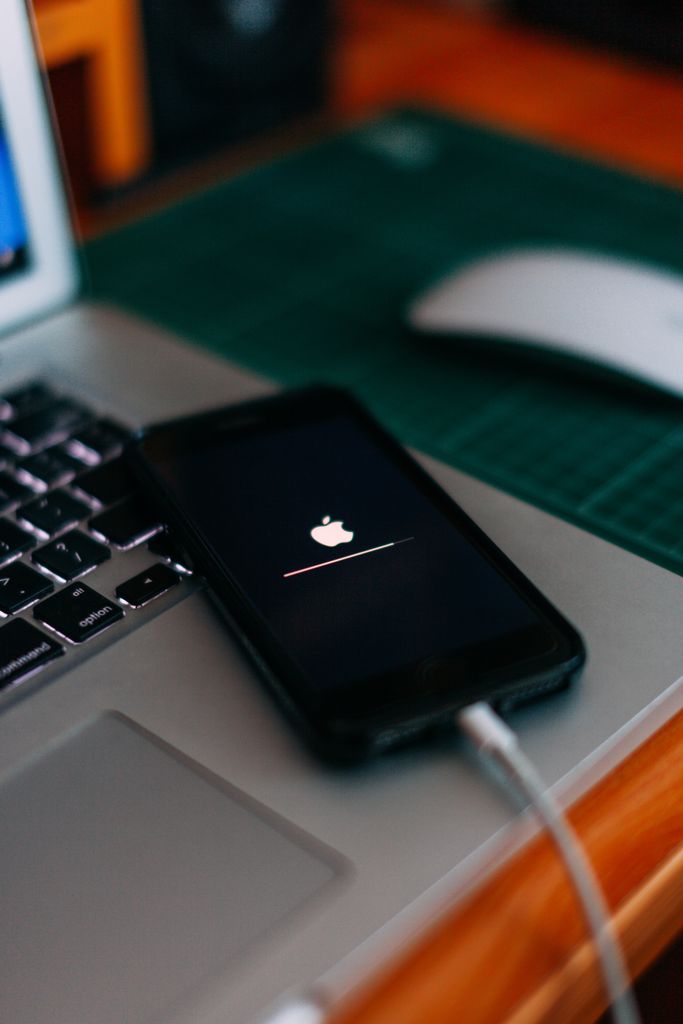
There was just one small flaw in that plan. Eventually, tomorrow comes.
I turned my phone back on. And there wasn’t an avalanche. There wasn’t even much of a small snow flurry. Three members of my family had remembered my birthday. Three. That was it. No parade of missed calls. No pile of messages waiting. No friends checking in. No people who had known me for years thinking, “Hey, today’s Andrew’s birthday.” Three members of my family. And then there was my village idiot, eventually sending me a message.
Two words.
“Happy birthday.”
That was it. A quick, ugly little obligation fired off after his wife reminded him. I don’t know why that part bothered me more than if he hadn’t texted at all. Maybe because forgetting would have at least been honest. The reminder turned it into something worse.
It wasn’t, “I remembered you.”
It was, “Someone informed me that social protocol requires a response.”
Happy birthday.
Task completed.
Return to regularly scheduled programming.
And I know exactly what people will say. People are busy. Adults have lives. Everyone has things going on. It’s just a birthday. Don’t take it personally. Fine… But then I need them to explain to me why it’s so easy for me to remember people. Why is it so easy to think of others? Even when I have a million things on my plate, or even when I feel like absolute garbage, I will think of others first. Heck, I even made a career around thinking of others first with EMS. My patient comes before everything. But at what point did being busy become a universal excuse for not giving a damn? At what point did remembering someone become an unreasonable burden? At what point did friendship become something that exists only when it is effortless? That’s what I can’t get past.
Because the strange thing is, if Facebook had been active, I probably would have heard from dozens of people. A little notification would have appeared. “Andrew Perry’s birthday is today.” And suddenly people would remember me. Except they didn’t remember me. Facebook remembered me. Facebook just handed them the answer.
Tap and then type. “Happy birthday!” Maybe throw in a balloon emoji. Maybe write “Hope you have a great one!” if we’re feeling especially intimate. Then continue scrolling. And we count that as connection. We count it as friendship. We count hundreds of birthday wishes generated by automated reminders as evidence that people care. But remove the notification and suddenly the room gets very quiet. Man, that bothered me. Not because I expect gifts or because I need everyone I’ve ever met to bow before me once a year and acknowledge that I have successfully survived another trip around the sun.
It bothered me because remembering small things about people used to be part of loving them. It used to matter. You knew your friends’ birthdays. You knew their phone numbers. You knew where they lived. You knew their parents. You knew what kind of day they were having before they told you because you actually knew what they looked like when something was wrong. We didn’t have Facebook managing the friendship for us. We had to do that ourselves. And maybe that’s what I’m starting to resent about the world we’ve built.

The world used to be bewildering with vibrant colors. The vibrance has slowly diminished into just the most mundane greyscale. We’ve outsourced human connection. Technology remembers the birthday. The calendar remembers the anniversary. The phone remembers the appointment. Facebook tells us someone has had a baby. Instagram tells us someone got married. LinkedIn tells us somebody got a new job. Snapchat shows us where somebody is. Algorithms now handle the small pieces of information we once carried around in our heads because the people attached to them mattered. We know more about everybody than ever before. And somehow we seem to know each other less.
I consider myself an intellectual person. I also live in the South, which adds its own interesting flavor to this experiment. I’ve never quite fit the mold around me. I don’t wander around dragging my knuckles waiting for fantasy football picks. I don’t think beer belongs on the food pyramid. And I have never understood the cultural fascination some grown men have with climbing the leg of every trash-can tramp who wanders into the county. As if somehow conquering the easiest mountain makes them more of a man.
So yeah, sometimes living here feels like observing another species through the glass at a zoo. There are good people here. I think. Probably. Somewhere. I just seem to have an almost supernatural gift for locating the worst person in any crowd, and somehow get stuck with them. Maybe that’s partly my fault. I have a bad habit of seeing damaged people and thinking I can help. I see the wreckage and start looking for tools. I see somebody struggling and think maybe they just need one person to stick around. Maybe I confuse potential with character. Maybe I spend too much time trying to fix people who have absolutely no interest in becoming anything different. They have no interest in growing up, or becoming the people they could be.
I don’t know. But I do know one thing. Something has changed in the way people treat each other. Everything now feels disposable. You don’t like the video? Scroll. You don’t like the song? Skip it. You don’t like the Tinder date? Swipe. You don’t like the restaurant? Find another. You don’t like the conversation? Leave it on read. You and your friend disagree about something? Hell, get a new friend. There are eight billion people on Earth. Surely there’s another one available. We live in a world designed around infinite replacement. And eventually, we started applying that same logic to actual human beings. Can you believe that? People became content. If they entertain us, validate us, agree with us, accommodate us, and require very little effort, we keep them around. The moment they become inconvenient, difficult, hurt, complicated, or human, we start looking for the next option. Nobody fixes anything anymore. Nobody works through anything. Nobody wants the inconvenience. And that is where the actual human being part dies. Because friendship is inconvenient. Real friendship has always been inconvenient. Sometimes friendship is a phone ringing at two o’clock in the morning. Your friend is stranded forty miles away. You’re exhausted. You have work tomorrow. You finally got comfortable. You don’t want to get up. And you know what? You go anyway. That is the entire point. Friendship isn’t proven when it is easy. Anybody can be your friend at dinner. Anybody can laugh with you at a party. Anybody can comment on your Facebook post. Anybody can send you a meme.
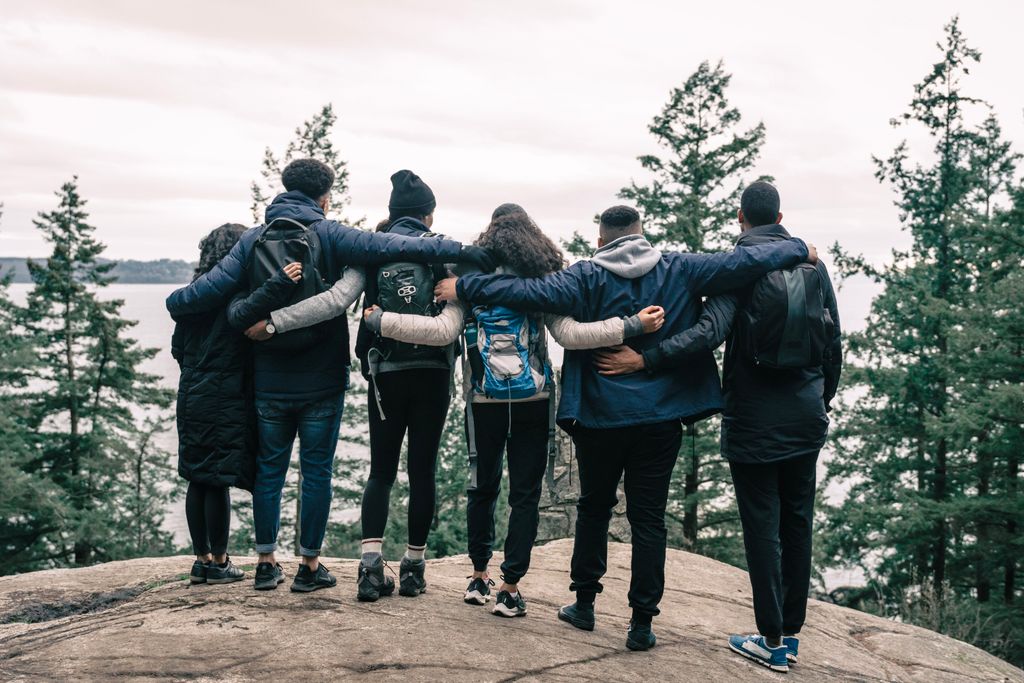
The test comes when being your friend costs them something. Sleep. Time. Gas. Comfort. Patience. Convenience. That’s when you find out what the word means. And somehow we’ve reached a place where simply expecting someone to function at a level slightly higher than a Neanderthal is considered demanding. You need something? Too much pressure. You’re going through a hard time? Negative energy. You disagree? Toxic. You expect effort? High-maintenance. You’re hurt because someone you love forgot something important? Too sensitive. We have developed an entire vocabulary designed to excuse ourselves from the responsibility of caring about other people. And the moment somebody requires more from us than a “like” on a facebook post, we decide the relationship is “meh” and begin browsing for a replacement. Or even worse we always keep a replacement lined up.
That isn’t growth. That isn’t boundaries. Sometimes it’s just selfishness wearing some kind of idiotic fake language. There is a difference between protecting yourself from people who abuse you and abandoning people because they occasionally inconvenience you. We’ve gotten very good at pretending those are the same thing. I keep thinking about my birthday. Not because of the birthday itself. Because of the experiment. For twenty-four hours, I removed the machine. I removed the reminders. I removed the prompts. I removed the little digital system that tells people when they are supposed to perform friendship. And almost everyone disappeared. Three members of my family remembered. My best friend needed his wife to remind him. And there’s something about that knowledge that I can’t unknow now. Maybe that’s why I keep calling myself old-fashioned. But I don’t think I actually miss old telephones. I don’t miss paper maps. I don’t believe civilization peaked when televisions had rabbit-ear antennas… or did it?
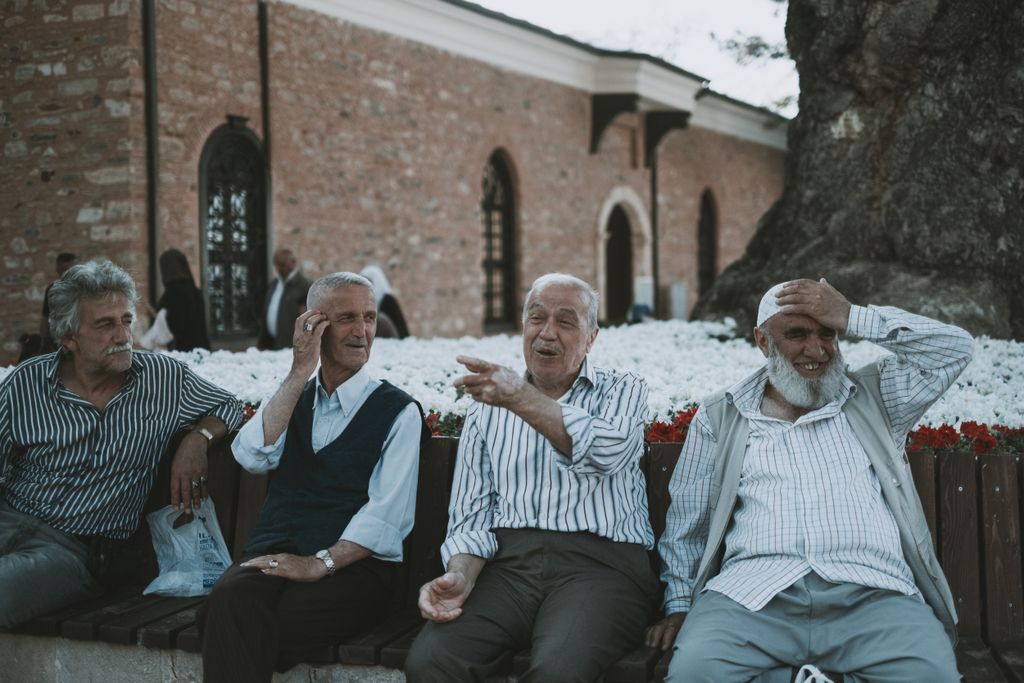
I think I miss obligation. Not obligation in the miserable sense. Like actual human obligation. The understanding that some people are yours. Your family. Your friends. Your people. And because they are your people, you show up. You remember. You call. You drive the forty miles. You sit in the uncomfortable chair. You listen to the story again. You knock on the door. You stay a little longer. You sacrifice a little sleep. You let yourself be inconvenienced. Not because you’re forced to. Because that is what caring looks like when nobody is watching. Maybe I’d rather play cards because nobody can scroll away from the table. Maybe I prefer conversation because you can’t hide behind typing bubbles. Maybe I like analog things because they demand presence. You have to physically be there. And maybe that’s the thing I really miss. People being there. We have never been more connected. We can reach almost anyone instantly. We can know where they are, what they ate, what they bought, where they vacationed, who they married, what they’re angry about, and what song they’re listening to.
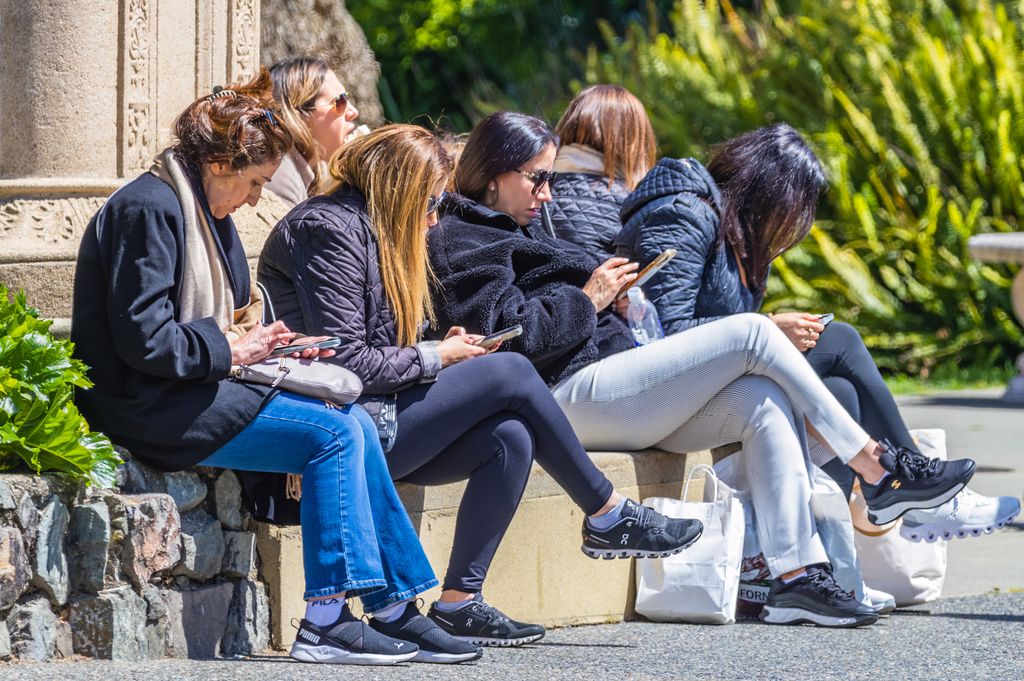
We have access to everybody. And somehow, when it matters, nobody seems to be around. My phone came back on the morning after my birthday. The world returned. Notifications started appearing again. Apps refreshed. Messages loaded. The machine woke up. But something had changed. Because now I knew what happened when the machine went silent. Almost nothing. And maybe that is the ugliest realization of all. We didn’t use technology to strengthen human connection. Somewhere along the way, we started using it instead of human connection. We taught machines to remember and interact with the people we were supposed to…
And then we forgot how to do it ourselves.